
Bulk Camu-Camu Powder for Beverage & Nutrition Manufacturing
Camu-camu (Myrciaria dubia) is an Amazonian fruit with a very tart flavor, documented in the literature as extremely rich in vitamin C. It is used in small doses, and the assay by lot is the number that matters.
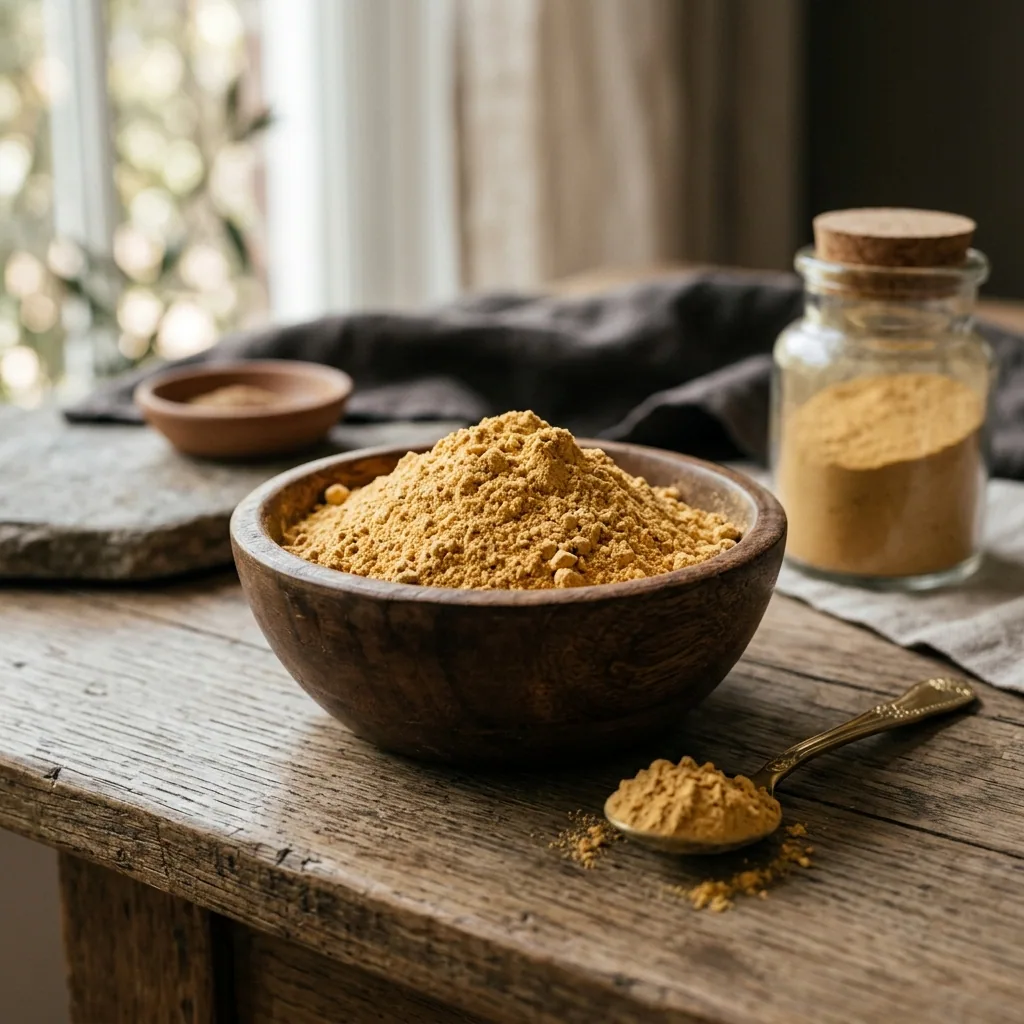
Camu-Camu as a manufacturing ingredient
Camu-camu is a niche ingredient with concentrated supply. It grows along rivers in the Amazon basin and is produced in more than one country, so origin, harvest period and traceability need to be confirmed lot by lot.
Formulators usually pair it with a sweetener and flavor system that makes the tartness work, or use it as a vitamin C-bearing option alongside acerola.
Sensory profile: Very sour and acidic, with a citrus-like character. Typically used at low inclusion levels.
Available formats
Formats we list or evaluate for this ingredient. Availability by origin is confirmed per RFQ.
Freeze-Dried Fruit Powder
Dried fruit solids milled to a powder. Ambient storage, close to the fruit in color and aroma.
View detailsSpray-Dried Fruit Powder
Standardized, free-flowing powders, usually with a carrier. Assay and carrier define the specification.
View detailsTypical applications
Technical and formulation considerations
Very tart
The acidity is strong enough to dominate a formulation. Dose it low and plan the sweetener and flavor system around it.
The assay decides
As with acerola, vitamin C content by lot, with a stated method, is what you specify. Ask what share of the powder is fruit and whether any carrier is present.
Seasonal, concentrated supply
Supply is centered in the Amazon basin and can be seasonal. Confirm the country, harvest window and traceability for the lot you are approving.
Moisture and caking
Acidic powders pick up moisture. Barrier packaging and dry storage keep the powder free-flowing.
Specification and commercial information
Scientific name: Myrciaria dubia. Part used: whole fruit.
- Origin
- Amazon basin; country and region confirmed per RFQ
- Processing
- Confirmed per origin and lot
- Carrier
- Confirmed per origin and lot
- Specification (moisture, particle size, assay)
- Confirmed per origin and lot
- Packaging
- Confirmed per origin and lot
- Shelf life & storage
- Confirmed per origin and lot
- Organic certification
- Confirmed per origin and lot
- Halal certification
- Confirmed per origin and lot
- Kosher certification
- Confirmed per origin and lot
- Food-safety scheme (HACCP / FSSC / BRCGS)
- Confirmed per origin and lot
- COA & TDS
- Confirmed per origin and lot
- MOQ
- Confirmed per origin and lot
- Lead time
- Confirmed per origin and lot
Specifications, certifications and commercial conditions vary by origin and production lot. Contact us for the current technical dossier.
Documentation you can request
Availability varies by ingredient, origin and production facility.
- Technical data sheet (TDS) for the proposed SKU
- Certificate of analysis (COA), representative or batch
- Microbiology results for the proposed lot
- Ingredient declaration and allergen statement
- Origin and traceability information
- Certificates that apply to the facility (organic, halal, kosher, food safety), where available
Related solutions
- Natural Vitamin C IngredientsAcerola and camu-camu: assay, carriers, stability and label considerations.
- Brazilian Fruit IngredientsQualified producers, documentation and export coordination from Brazil.
- Multi-SKU SourcingSeveral fruit ingredients through one sourcing partner, one qualification process.
Related ingredients
Technical guides
- Fruit Powder COA: A Certificate of Analysis ChecklistA COA should connect one physical lot to agreed limits and test results. It supports supplier approval, but it does not replace specifications or risk-based verification.
- Freeze-Dried Fruit Powder Applications for Food BrandsFruit powder can add color, flavor and fruit solids across multiple product lines, but each application needs its own hydration and stability test.
Camu-Camu: frequently asked questions
Where does the camu-camu come from?
Camu-camu grows in the Amazon basin. The country and region for a proposed lot are confirmed in the technical dossier and the RFQ response.
Camu-camu or acerola?
Both are used as naturally vitamin C-bearing fruit ingredients. Acerola is generally easier to work with sensorially; camu-camu is much more tart. Many projects evaluate both against the same assay target.
What is the current format?
The current catalog listing is a freeze-dried powder. Other formats are evaluated on request.
Tell us what you are developing with Camu-Camu
Share the application, format and volume. We reply within 1 business day with the documentation scope and the next validation step.
Request Ingredient & Specification