
Bulk Açaí Ingredients for Food, Beverage & Nutrition Applications
Açaí (Euterpe oleracea) is an Amazonian palm fruit used as freeze-dried powder, frozen purée and sorbet base. Biohacker coordinates sourcing from Brazil and matches the format, specification and documentation to what you are developing.
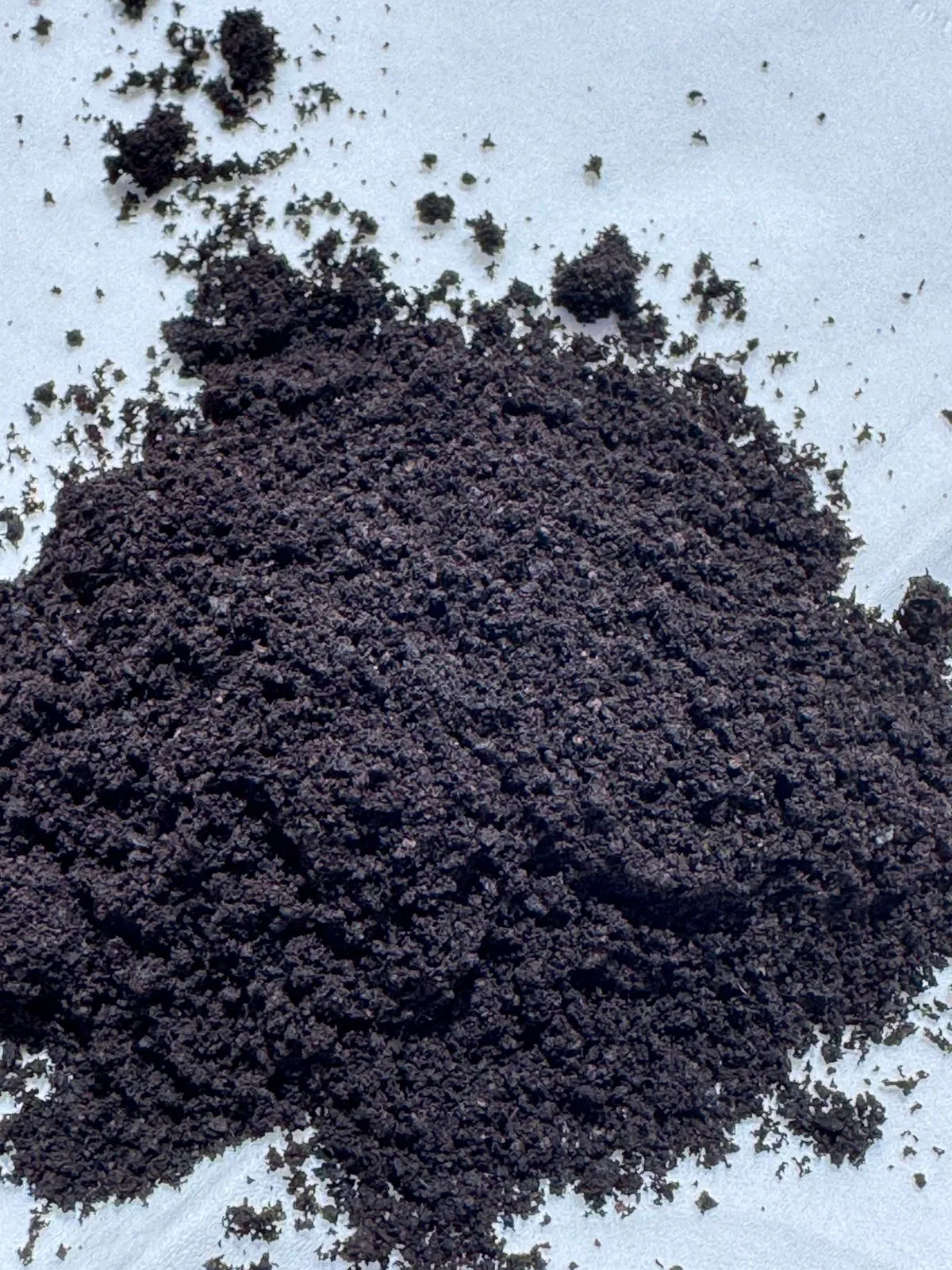
Açaí as a manufacturing ingredient
Açaí reaches manufacturers in two main forms. Freeze-dried powder travels and stores without a cold chain and suits dry blends, powdered mixes, bars and beverage bases. Frozen purée suits sorbet, bowls and smoothies, and needs frozen logistics from origin to your plant.
The same fruit behaves very differently across formats, so the useful question is not whether you want açaí, but what you are making with it. Start with the application and we work back to the format, the specification and the documents that go with it.
Sensory profile: Deep purple color from anthocyanin pigments, with a berry flavor that formulators often describe as having cocoa-like, slightly earthy notes.
Available formats
Formats we list or evaluate for this ingredient. Availability by origin is confirmed per RFQ.
Freeze-Dried Fruit Powder
Dried fruit solids milled to a powder. Ambient storage, close to the fruit in color and aroma.
View detailsSpray-Dried Fruit Powder
Standardized, free-flowing powders, usually with a carrier. Assay and carrier define the specification.
View detailsFrozen Fruit Purée
Sieved, heat-treated pulp closest to the fresh fruit, with the logistics of a frozen product.
View detailsTypical applications
Functional Beverages
Purple color and a berry flavor with cocoa-like notes, with Brazilian origin as a positioning point.
View detailsSports & Performance Nutrition
Color and flavor base for powdered mixes and blends, with documented origin and specification.
View detailsSnacks & Bars
Color and flavor in dry blends, bars and fruit-based coatings; the powder keeps the formulation dry.
View detailsFrozen Desserts & Sorbet
Frozen purée is the base for sorbet and soft-serve; Brix, seed handling and heat treatment drive the specification.
View detailsFoodservice
Bowls and smoothies, in purée or powder form; the choice is cold chain versus ambient storage.
View detailsChocolate & Confectionery
Powder for fillings, coatings and inclusions where water activity must stay low.
View detailsDairy & Fermented Products
Fruit preparations and flavored powders; color shifts toward red in acidic dairy.
View detailsTechnical and formulation considerations
Color is pH-dependent
Anthocyanin color moves toward red in acidic bases and toward blue-grey as pH rises. Test color in your actual matrix, not in water.
Lipids affect storage
Unlike most berries, açaí carries a meaningful share of natural lipids. In powders these can oxidize over time, so packaging barrier, storage temperature and lot age belong in the specification conversation.
Powder or purée
Powder is the format for dry and ambient products. Purée is the format for frozen and chilled products. Many programs use both, sourced to a common specification.
Seed and fiber control
Ask how seed fragments and fiber are controlled during milling and which particle-size range the lot meets, especially for beverages where sediment is visible.
Heat treatment of purée
Raw açaí pulp has been implicated in food-borne outbreaks in parts of the Amazon region. For purée we ask suppliers to document the heat-treatment step (pasteurization or equivalent) and to share microbiology results in the dossier.
Specification and commercial information
Scientific name: Euterpe oleracea. Part used: fruit pulp and skin.
- Origin
- Brazil (Amazon region); state and lot origin on the technical dossier
- Processing
- Confirmed per origin and lot
- Carrier
- Confirmed per origin and lot
- Specification (moisture, particle size, assay)
- Confirmed per origin and lot
- Packaging
- Confirmed per origin and lot
- Shelf life & storage
- Confirmed per origin and lot
- Organic certification
- Confirmed per origin and lot
- Halal certification
- Confirmed per origin and lot
- Kosher certification
- Confirmed per origin and lot
- Food-safety scheme (HACCP / FSSC / BRCGS)
- Confirmed per origin and lot
- COA & TDS
- Confirmed per origin and lot
- MOQ
- Confirmed per origin and lot
- Lead time
- Confirmed per origin and lot
Specifications, certifications and commercial conditions vary by origin and production lot. Contact us for the current technical dossier.
Documentation you can request
Availability varies by ingredient, origin and production facility.
- Technical data sheet (TDS) for the proposed SKU
- Certificate of analysis (COA), representative or batch
- Microbiology results for the proposed lot
- Ingredient declaration and allergen statement
- Origin and traceability information
- Certificates that apply to the facility (organic, halal, kosher, food safety), where available
Related solutions
- Brazilian Fruit IngredientsQualified producers, documentation and export coordination from Brazil.
- Natural Color from Fruit IngredientsPitaya and açaí as fruit-derived color: pigments, pH and heat limits.
- Multi-SKU SourcingSeveral fruit ingredients through one sourcing partner, one qualification process.
Related ingredients
Technical guides
- Freeze-Dried vs Frozen Açaí: Cost & Quality ComparedMost businesses compare açaí formats on flavor alone. The bigger difference is operating cost — and it only shows up once you account for cold chain, waste and shelf life.
- Bulk Açaí Powder Supplier: What Food Brands Should AskA low bulk price means little if the powder fails in production. Serious buyers evaluate açaí suppliers on proof, performance and repeatability.
- Açaí Powder COA: How to Read a Certificate of AnalysisA COA is not a decorative document. It is how buyers connect a specific batch of açaí powder to quality, safety and repeatability.
- Açaí Powder Solubility: How to Mix Without ClumpsPure fruit powder may disperse rather than disappear completely. Good mixing starts by defining the texture and sediment your finished product can accept.
- Açaí Powder Shelf Life: 12 Months, No Freezer NeededShelf life and storage are where freeze-dried açaí quietly saves a business money — no freezer, no cold-chain freight, far less waste.
- How to Source Brazilian Fruit Ingredients: A Buyer's ProcessSourcing from Brazil is less about finding a supplier and more about qualifying one: a clear specification, documented samples and agreed terms before the first order.
Açaí: frequently asked questions
Is Biohacker the producer of the açaí?
No. Biohacker coordinates sourcing and supply through qualified producers and processors in Brazil. We are open about the supply route for each quotation and confirm the facility behind each lot.
Should I choose freeze-dried powder or frozen purée?
It depends on the product. Powder suits dry blends, powdered mixes, bars and shelf-stable products. Purée suits sorbet, bowls and smoothies. Our format guides explain the trade-offs in cost, logistics and processing.
Is the açaí organic?
Organic availability depends on origin and production facility. We confirm the certificate scope for the exact SKU before you commit, and we do not apply an organic claim across the range.
Which documents can I receive?
Available documents vary by origin and lot. Typically this includes a technical data sheet and a certificate of analysis, plus certificates that apply to the facility. Request the dossier with your RFQ.
Tell us what you are developing with Açaí
Share the application, format and volume. We reply within 1 business day with the documentation scope and the next validation step.
Request Ingredient & Specification